
Wildlife Ponds!
The great garden supercharger!

The one element of my wildlife garden that I could not wait to get started on was my wildlife pond. It took a great deal of restraint not to get digging the first week I moved into the property. Be sensible Richard!
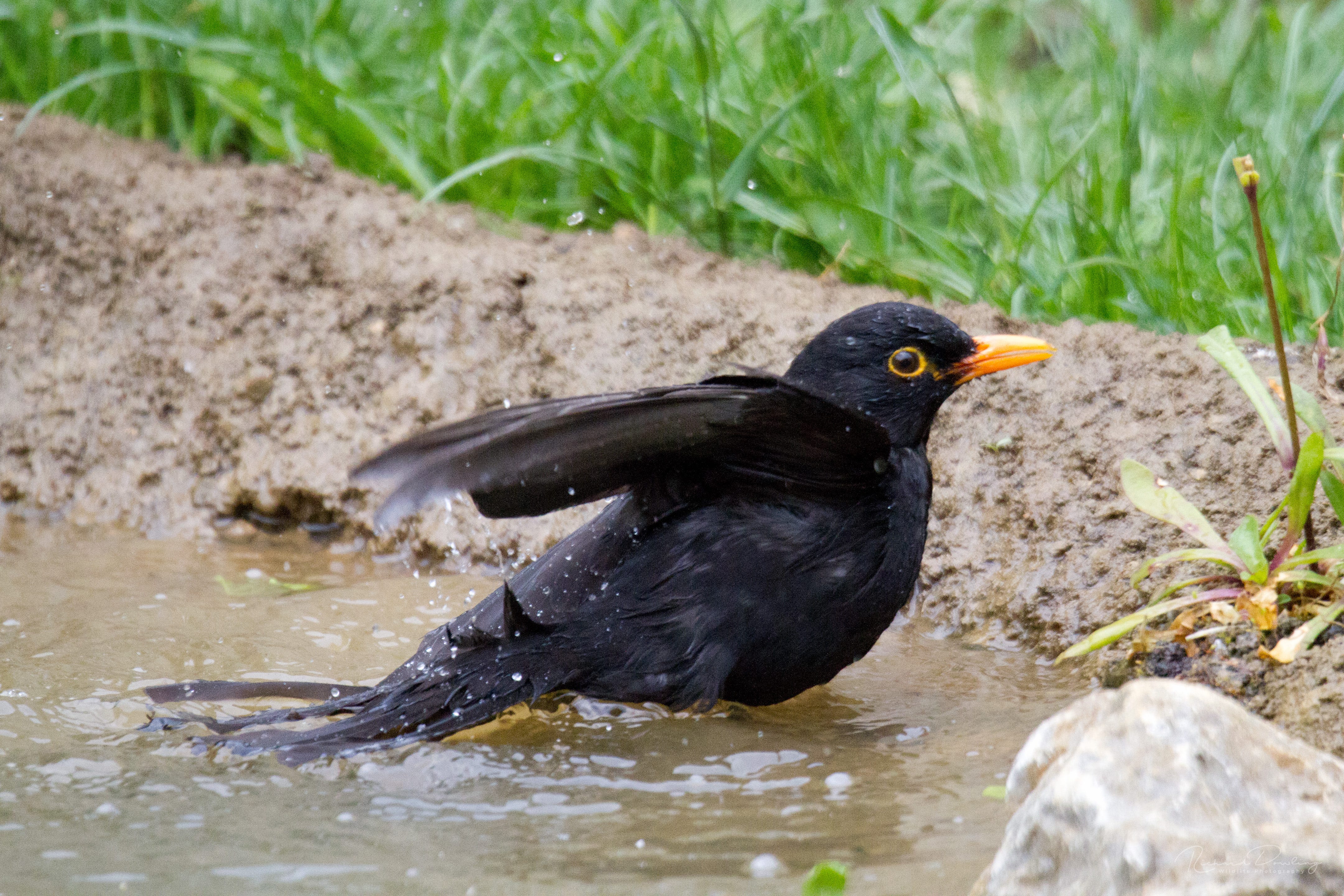
It’s difficult to understate the importance of a pond in a garden. It is quite possibly the number one thing you can do to maximise the species diversity of your space. It provides year round water for birds to drink and bathe in, as well as wet muddy margins that can be used for the nest building of swifts, swallows and house martins. I have even seen Blackbirds taking wet mud to use as reinforcement for their nests made of twigs, leaves and grasses. Birds will also make use of the bounty of aquatic invertebrates that a pond harbours.
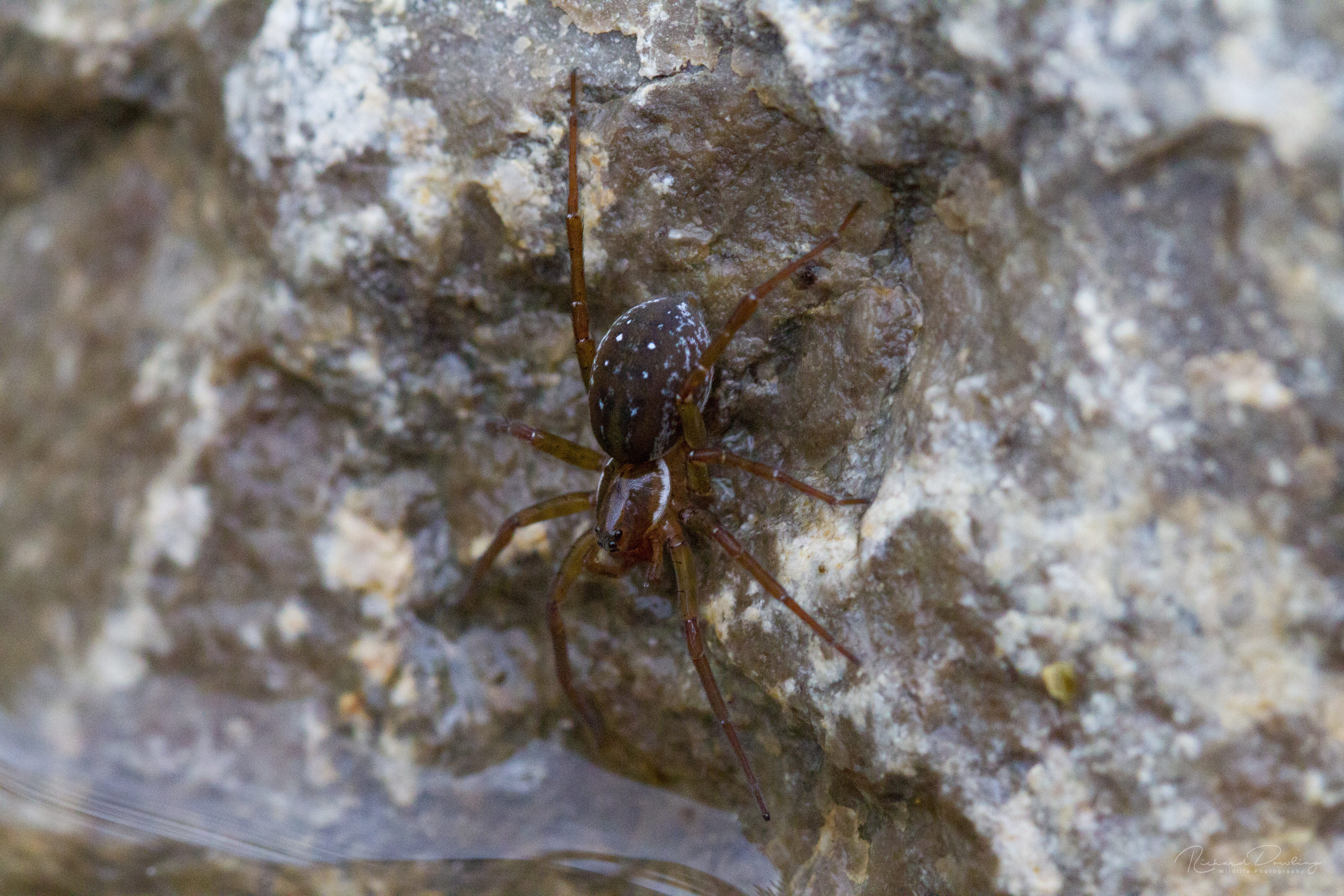
Dancing on the surface, you may find Pond-Skaters which use their almost hydrophobic hair-covered feet to walk on water as they stalk other insect prey, or Whirligig Beetles that spin around like a red arrows display team!
Beneath the surface you can expect to find a range of pond snails such as the Great Pond Snail and the spiralling shell of the Ramshorn that both hoover up algae and plant matter. The Water Hoglouse and Great Diving Beetle look like a terrestrial species that has accidentally fallen in the water, but they are perfectly adapted to their submerged world.
A real joy of a pond that is free of Goldfish and Koi Carp, is that natural predators can talk hold. Dragonflies and Damselflies may look dainty and beautiful in flight, but beneath the Lilypads, their sinister looking larvae are efficient killers. Using an adapted mouthpart that shoots from their mouth to grab prey, it is unsurprising that these pond creatures inspired the creation of the Xenomorph in the Aliens movies!


Aside from invertebrates, I was looking forward to hopefully welcoming Frogs and Newts, as well as any other species that may venture into my garden for a drink. Britain has lost half of its ponds since 1900. That is a huge amount of habitat loss that we need to try and mitigate for. Work began on my contribution in the Spring of 2025.
Wild Your Garden
When it comes to learning about pond creation, I have to give all the credit in the world to Joel Ashton; co-author of the “Wild Your Garden” book, host of Wild Your Garden Youtube channel and Landscape Gardening Contractor that has created hundreds of ponds, meadows and hedges over the years. Watching his progress online truly inspired me with the direction that my garden would take. Like many people, I could have paid Joel to come and create my pond for me, but personally I wanted to put in the hard work myself and feel truly connected to the project. So what I did do, was purchase my materials from Joel’s website. He sells premium quality liners that are unmatched in quality. This is not a paid endorsement, I am purely recommending Joel because I’m a huge fan of his ethos and work.
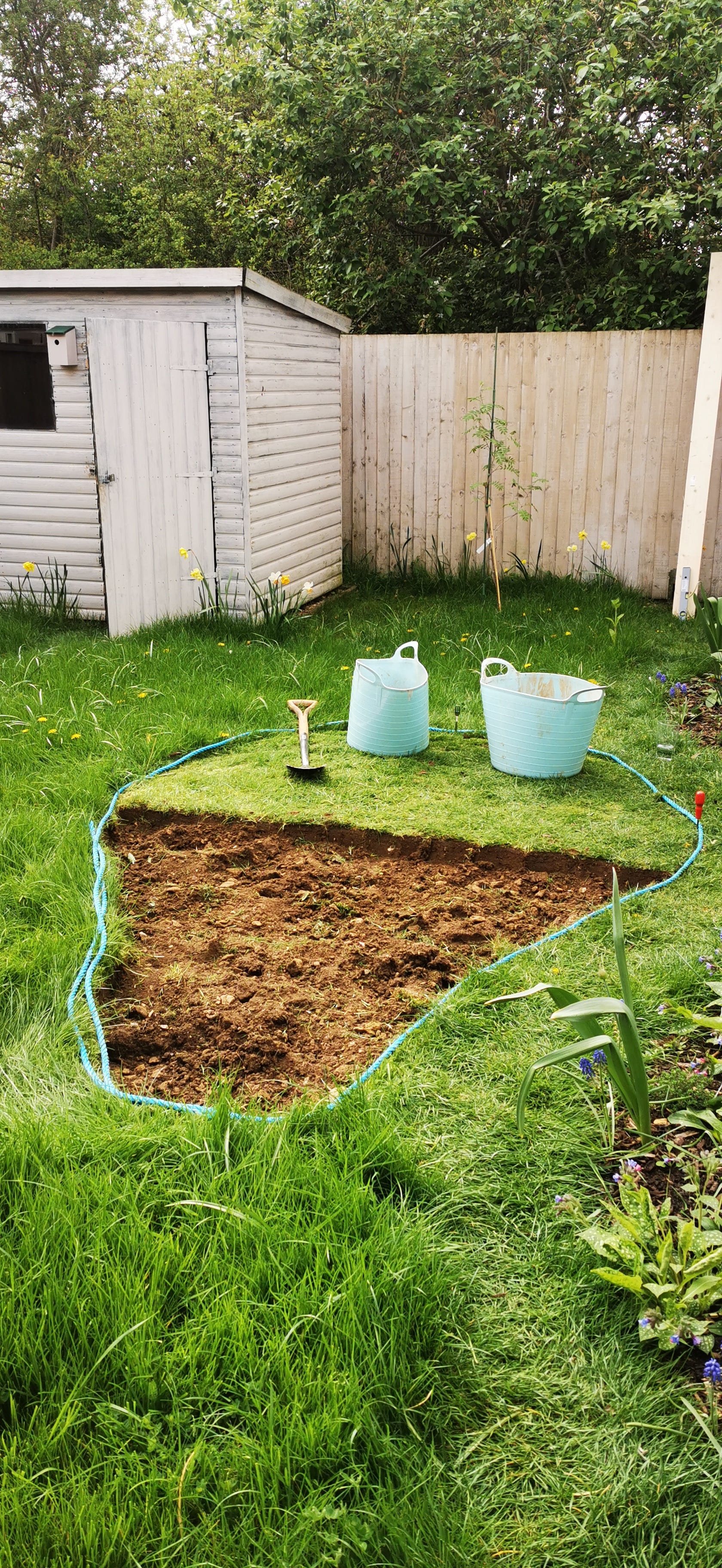
My design, would be an avocado shape, 3.2m in length by 2m in width with a shallow beach at one end which would be gravelled for birds to bathe in and hedgehogs to climb out should they need to. The depth would be 60cm within the “avocado stone” and then depth gently decreasing outwards. A shelf of a few inches deep would be dug around the edge that could later be planted with marginals. For more information on how to dig a pond of this type, please check out Joel Ashton’s 3 part video which may be a lot easier to understand and execute effectively than my written form.
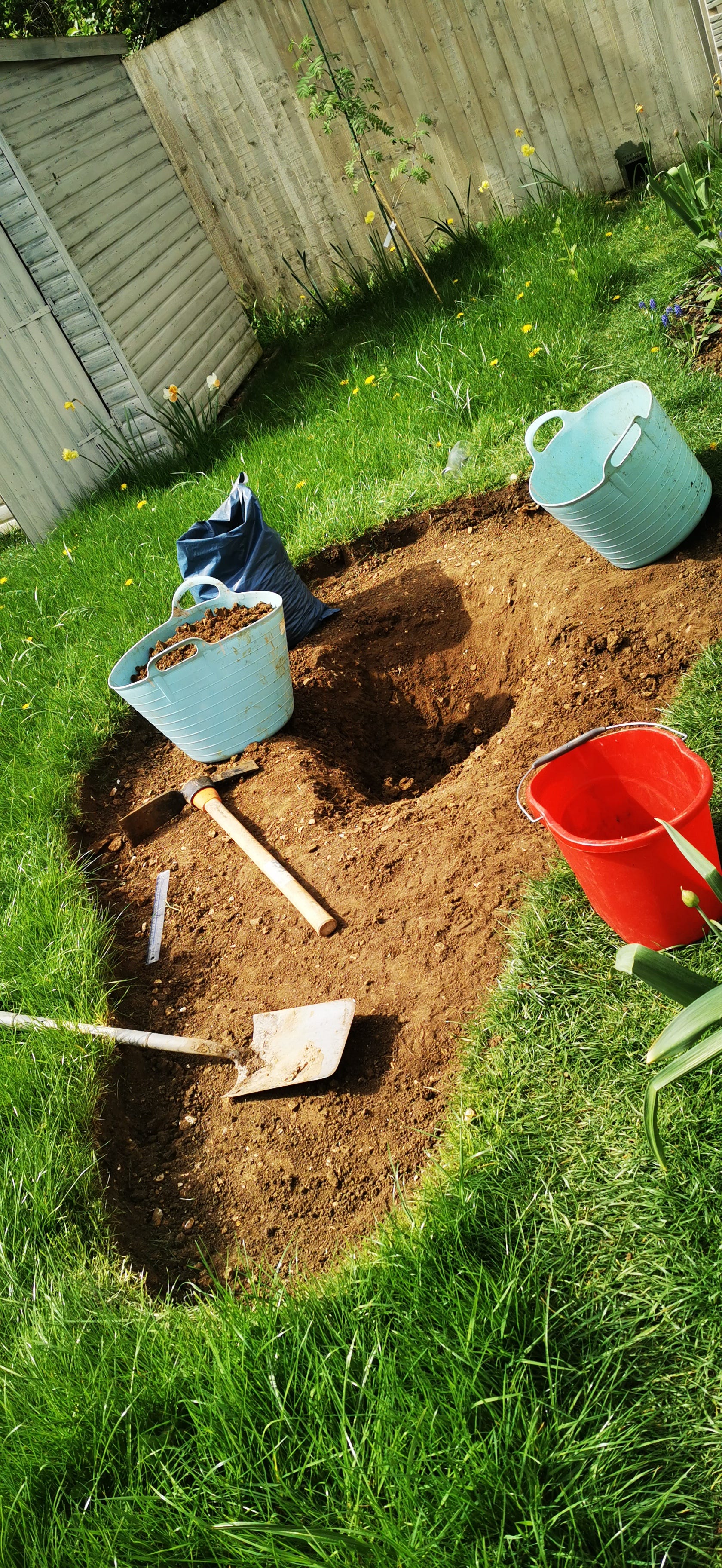
What I hadn’t bargained for, was just how rocky the soil is here in Metheringham, Lincolnshire. Every few inches of digging finds another sheet of soft limestone rock. Not only is rocky soil a risk to your liner, but with this method, every kilo of rock removed would be less subsoil available to use for my backfill! Essentially, I would be laying my fleece over the soil, the liner then lays over the fleece, but here is when things go a little differently to your average pond! Over the liner, I laid an extra layer of fleece and covered that with about 2 or 3 inches of subsoil from the excavation. This ensures that the liner is entirely protected from the sun’s UV rays which would otherwise risk degrading it over time. Subsoil also provides a substrate for your plants and a habitat for pond invertebrates. When digging the pond, you remove the rich, darker topsoil and discard it (or reuse it elsewhere) and the lighter horizon of soil from deeper depths can be used for the pond. You want to try and avoid using the darker topsoils because it would introduce too much nutrients and risk algal blooms and oxygen crashes in summer.
I placed large rocks within the deep well of the pond to secure the banks from collapsing, then some rocks around the edge of the pond for a natural aesthetic.
Once backfilled with subsoil and rocks, it was time to fill it. I had filled a 250L waterbutt with rain water which is the ideal way to fill your pond, however, 250L didn’t go very far so I had to use mains water for the rest. Mains water is higher in nutrients like phosphate and is chlorinated, however the chlorine dissipates within 24 hours of leaving your hose. Try to use as much rain water as possible for the best start though.
Plants!
Once partially filled, I planted up the pond with some marginals, floating plants and deeper plants:
Watermint - Spreads well to cover up your margins and provide for pollinators, It also smells amazing!
Brooklime - Possibly the quickest spreader and provides pretty little blue flowers
Purple Loosestrife - A taller marginal that grows flowering pink spikes that are popular with bees and butterflies
Water Forget Me Not - Similar to Forget Me Nots you’ll find around the garden but grows in wet pond edges. Another good one for covering your bare soils.
Fringed Water Lily - Great for smaller ponds with its dainty pads and beautiful yellow flowers
Starwort - Oxygenator with star shaped leaves. This one didn’t do too well in its first season because algae smothered most of it, however in its second season it appears to be bouncing back.
Hornwort - Fast growing oxygenator, again didn’t do too well in its first year because of algae but fingers crossed for a better year this year.
Watercress - I bought a bag of organic watercress from the salad section of a Waitrose and just chucked it in. It soon roots and does a great job eating up excess nutrients to keep algae under control. A must for a brand new pond in my opinion.
Ragged Robin - A near threatened species in the UK due to habitat loss. It thrives in damp boggy margins and produces beautiful yellow flowers
Water Plantain - A great marginal plant for bulk greenery and dainty white flowers that attract a lot of hoverflies and beetles
Hard Rush - Another architectural plant for the margins, growing tall green spikes of foliage
Marsh Woundwort - Another taller herb with pink flowers that attracts a lot of Bees
Marsh Marigold - A large buttercup like flowering plant with broad leave and spreads well across your margins.

With the pond finished and filled, all I had to do then was wait for the plants to establish and the wildlife to arrive. In a later instalment, I’ll give you the lowdown on some of my visitors. I did not have to wait long! In fact, before I had even finished I had a Duck land and try to eat all of my oxygenating plants! That was £20 in the stomach of a bird before I’d even put my spade away!


This is great Rich. I too have been massively influenced by Joel Ashton. I hope to create a pond in a similar way in the future.
Also, I had no idea about the Xenomorph connection - that's a really cool fact!
Really inspirational! Thank you. What a pain about Mrs Mallard, though… – have you any plans for keeping her out?